Endometriosis Diet: Is There Really a Best Diet For Endometriosis
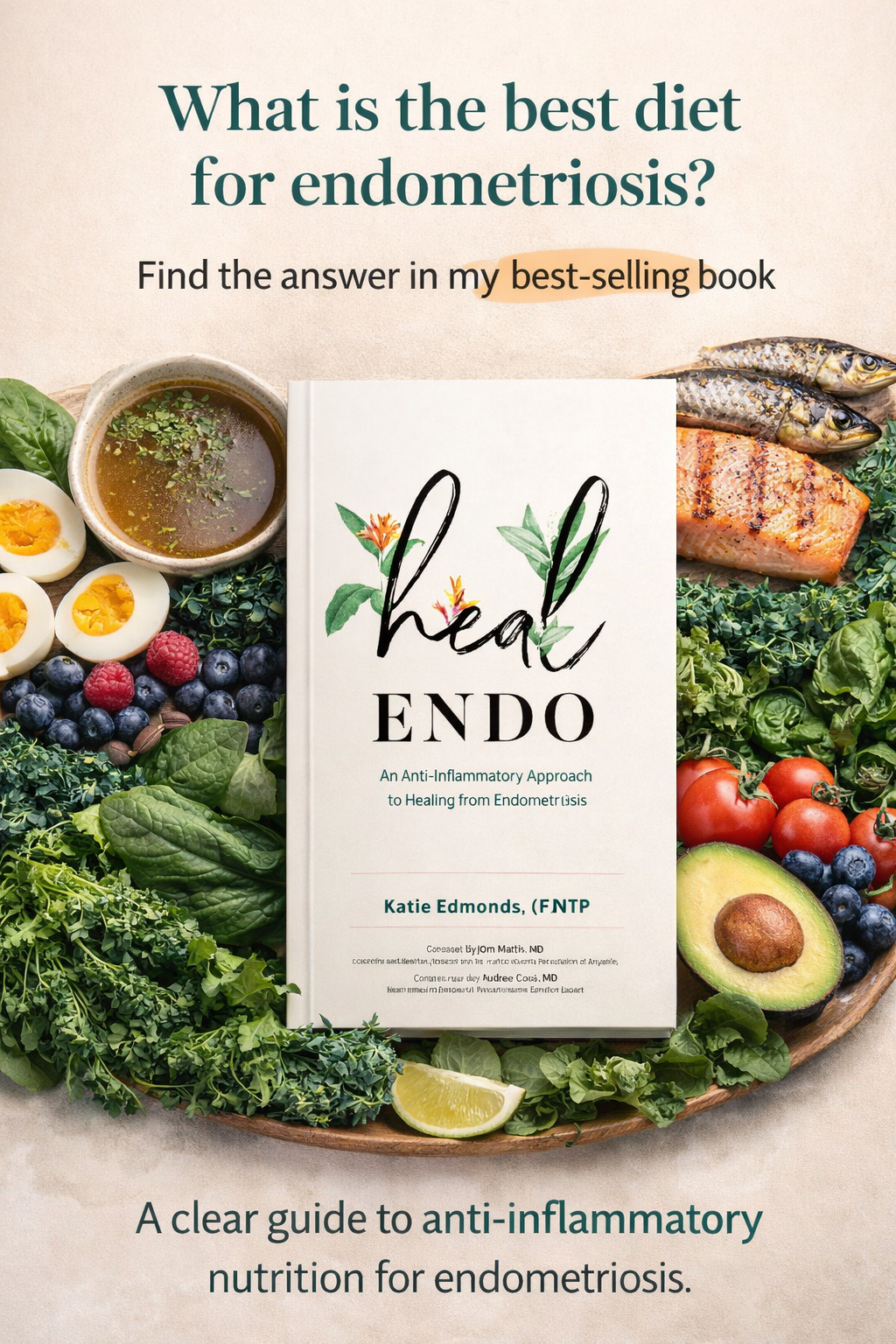
When researching my best-selling book on endometriosis, Heal Endo, something became surprisingly clear: those of us with endometriosis appear to be more undernourished than our non-endo counterparts. That's right, we all seem to be running low on nutrients essential to quell inflammation, repair tissues, regulate the immune and nervous system, and more.
So, yah, pretty important.
Not having enough nutrients, but not being starving, is referred to as "under-nutrition," and, along with blood sugar dysregulation and inflammation-provoking foods intolerances, may be partly to blame for your endo pain, progression, severity, infertility, hormone imbalance, brain fog, immune system dysfunction, and more. Yes, it's more than symptoms: diet may contribute to pathology as well. Here are some examples reserchers are saying:
One paper concludes that diet is “a promising tool in the prevention and treatment of endometriosis.”[Nutrition in the prevention and treatment of endometriosis: A review (2023)]
Another suggests that returning to a nutrient-dense, 'Hunter-Gatherer' style of eating—rich in wild-caught fish, quality animal proteins, and organic plants—can not only manage symptoms but potentially support the regression of the disease itself. [Nutritional aspects related to endometriosis (2015)].
A new study from October 2025 found that women with high adherence to a high antioxidant diet had 94% lower odds of developing endometriosis. [Mediterranean diet adherence and healthy diet indicator might decrease odds of endometriosis (2025)]
Oh, and if you didn’t know the disease could stabilize or regress, check out the research here :) It’s incredible
This coincides with thoughts from longtime endometriosis researcher Dr. Dan Martin (also the Scientific and Medical Director of the Endometriosis Foundation of America), who writes in the Foreword to my book, “the use of hormonal suppression, diet, lifestyle modification, anti-inflammatory therapy, antioxidants control of oxidative stress, and an integrative framework are necessary considerations to address the chronic inflammation and immune dysfunction that drive the disease… Control of these factors may stop or limit endometriotic lesions if started early.”
What we see amongst this research is significant because it moved the conversation from just "managing symptoms" to the idea that nutrition can actually influence the pathogenesis (the start) and the regression (the healing) of the disease. But this isn’t all scientific either. Personal stories range from dietary strategies helping reduce terrible pain or infertility, to complete resolution of endometriosis symptoms (i.e., remission). Research shows that nutrient intake, mineral, vitamin, and antioxidant levels, and blood sugar regulation may actually influence disease itself (I talk about this at length in my book)
This is why I believe that dietary changes are a vital part of managing symptoms and improving quality of life for those with endometriosis.
Now, the confusing thing about diets and endometriosis is that so many people seem to be at odds about the “best one.” However, a truly great endo diet is not better because it’s trendier than another. It literally comes down to chemistry and biology. You need a certain amount of macro and micro nutrients in your body to, quite literally, build health. Imagine you're severely deficient in magnesium and omega-3s, two nutrients absolutely necessary to quell inflammation, support immune processes, reduce stress, pain, and more. Well ... I think you can see how this may contribute to the disease cycle.
So what's the best diet for endo? Vegan, keto, carnivore, something else extreme?? Nope :)
Managing endometriosis through diet focuses on BALANCE: reducing chronic inflammation, re-regulating the immune and nervous systems, and balancing estrogen and hormone levels through reversing nutritional deficiencies, balancing blood sugar, rehabbing the gut microbiome, and avoiding foods that provoke inflammation. It's a 4-pronged approach that will be unique to you (I wish that were trendy!).
Let's dive in deeper.
WHAT’S THE BEST DIET for endometriosis, and TO REDUCE ENDOMETRIOSIS SYMPTOMS?
In researching diet and endometriosis, there was one obvious point that stood out time and time again: there is no such thing as an endometriosis diet for everyone.
Hearing this would have annoyed me as a teen when the latest “fad” diet or food hack was my thing—I wanted to be told what to stick to! I’m not alone, diet books are some of the best-selling books on the market, always selling something elusive about health, weight, beauty, and happiness…if you can just get through the next 30-day plan. They sure are appealing to those of us who are always seeking health but never quite getting there.
Sigh.
Luckily, the endometriosis diet information supported by the literature is also supported by...overall human health. Think about a similar dietary approach our ancestors followed. We could assume they were eating a mix of whole foods, nutrient-dense, snout to tail, with balanced blood sugar and gut microbial communities.
We also know what they weren’t eating: a slew of processed, refined, and thus inflammatory foods.
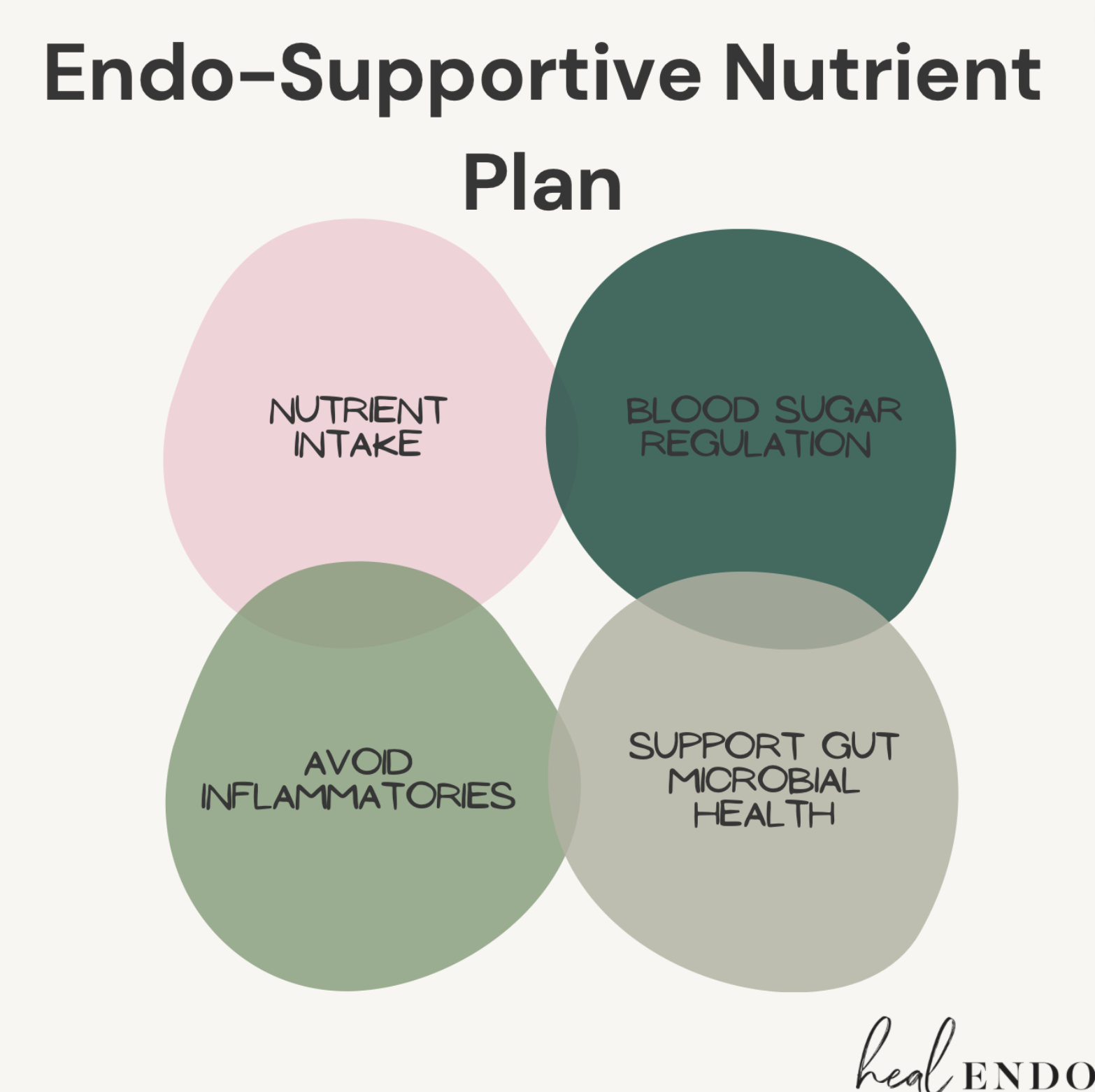
Taken together, we have a strategic plan now. Create a nutrition plan (not a crash diet) that allows for the focus on the following:
Nutrient intake
Blood Sugar regulation
Gut health
Avoid inflammatories
These four factors are the basic pillars of human health and the basic foundation of the endometriosis diet we should all be leaning into! When these 4 pillars are out of whack (as nearly all of ours are today), chronic disease, oxidative stress, chronic inflammation, immune dysfunction, and hormonal imbalance ensue.
But please remember, your own nutrition plan will be based on our unique needs. Just because Martha doubles over in pain with dairy doesn’t mean Gertrude will need to stop eating it. And just because Laksmi got her energy back by reversing her iron deficiency doesn’t mean Leilani will need to supplement with iron. Some may do well with lots of fiber, some may not. Some may crave red meat, some may not. Certain foods may trigger endometriosis symptoms, and keeping a food journal can help identify these triggers and guide dietary adjustments based on individual responses.
However, here are the main priorities we should all keep in view:
1) NUTRITIONAL STATUS FOR ENDOMETRIOSIS
Deficiency in many nutrients is associated not just with increased progression of endo once you have it but even endo establishment in the first place (for example, women with zinc deficiencies are at a higher risk of developing endometriosis, probably because it's essential to quell inflammation). [Zinc deficiency is associated with the development of ovarian endometrial cysts” (2023) The possible role of zinc in the etiopathogenesis of endometriosis”(2014)]
In my book, I also research how women with endo were shown to either be deficient in, or need higher levels, of nutrients like zinc, magnesium, vitamin e and c, selenium, and more.
To reverse nutrient deficiencies, we need to shift our focus away from an old “endo-diet” belief in restricting foods to a new perspective that will start to heal our bodies: eating as many nutrient-dense foods as possible.
Nutrient density refers to the number of nutrients found per calorie of food. For example, 500 calories of cookies will have a very different impact on your genetic expression and immune function than 500 calories of salmon since there are simply more vitamins and minerals per bite in salmon.
When you use nutrient density to guide your food choices, it means you can be eating far more nutrients while consuming the same number of calories. This is the mindset needed to reverse under-nutrition: replace the foods that have little to low nutrient density (toast, pasta, chips, baked goods, desserts, cereals, rice, etc.) with the most nutrient-dense foods on the planet: cold-water fatty fish, seafood, organ meats, seaweed, healthy fats, egg yolks, bone broths, a few fruits, and tons of vegetables. Omega-3 fatty acids found in cold-water fatty fish can help calm inflammation associated with endometriosis.

Fiber intake is another dietary tool that can help manage endometriosis and symptoms. High-fiber foods, such as fruits, vegetables, legumes, and whole grains, help the body excrete excess estrogen, which may alleviate endometriosis symptoms.
However, if you have SIBO or IBS you may need to take a couple of steps back before you even consider more fiber (I write all about that here). Reminding us, again, how different our journeys can be.
2) HEALTHY BLOOD SUGAR BALANCES ENDOMETRIOSIS
Discovering the direct effect blood sugar dysregulation has on endo behavior (not just symptoms) surprised me. Turns out high levels of glucose and insulin, or too low levels of glucose, are all associated with endo-ing in some way (progression of endo, scar tissue, adhesions, inflammation, immune dysregulation and more). This means if you have blood sugar dysregulation (like 80% of Americans), you may be unwittingly fostering endo with each meal.
3) INFLAMMATORY NUTRITION PROMOTES ENDOMETRIOSIS
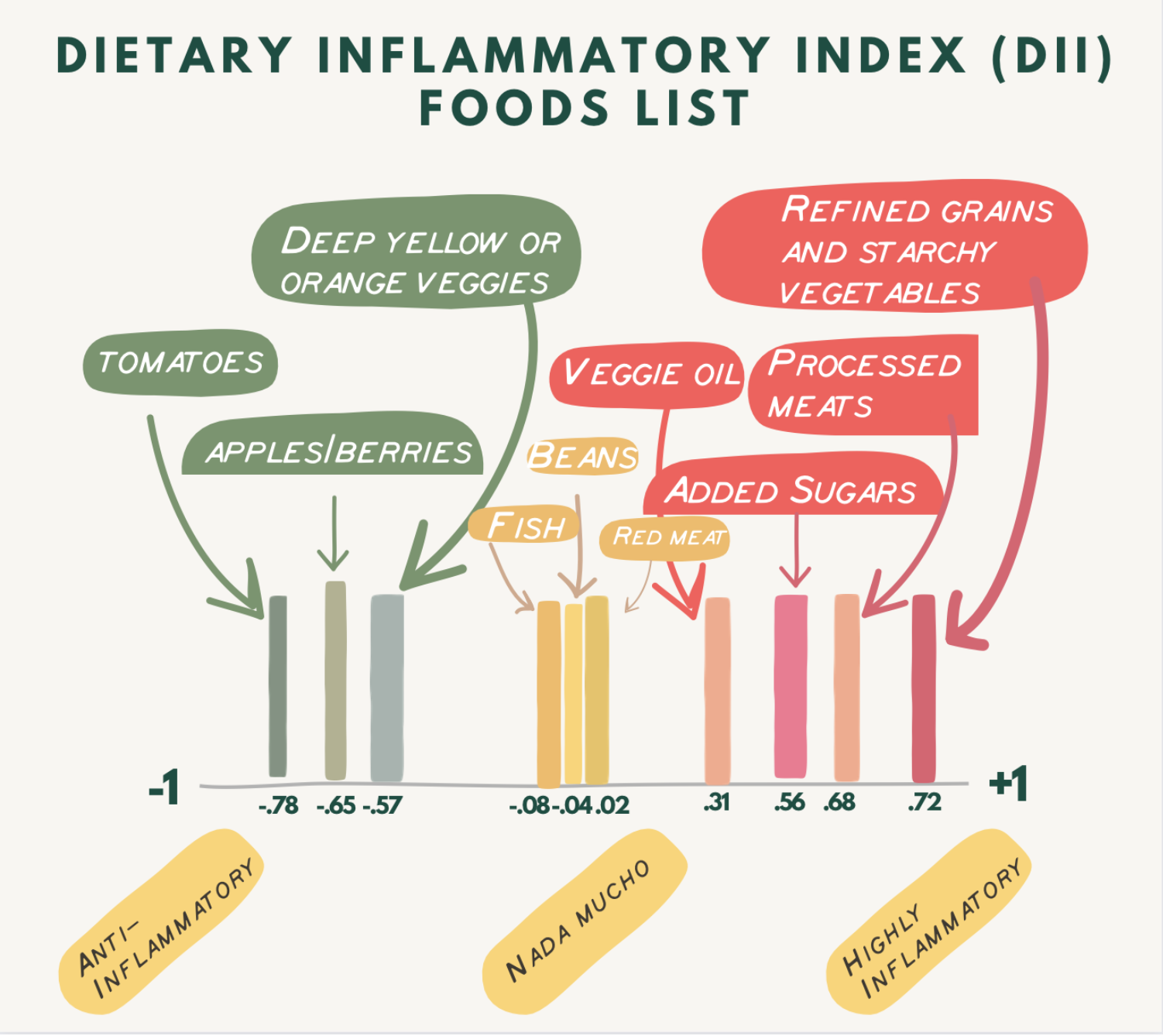
Talking about inflammatory foods is the trendiest thing and the big reason behind a long list of “foods to avoid if you have endometriosis.” Unfortunately, most of these lists are totally misleading—based on endometriosis dietary myths rather than research. For example, there is literally (and I mean that) zero concrete evidence one should remove quality red meat, dairy, or eggs from one's diet (while yes, there is evidence that low-quality dairy and eggs can impact the disease, I’m not trying to cover up info here)
Maybe you do react to these foods, though? Yes, of course, some of us really do. It's why I refer to them as "gray area foods" in my book -- because there are real reasons some of us (not all) may react. Sometimes it's due to quality or processing, sometimes it's a bacterial dysbiosis issue, and sometimes it's digestive insufficiency (we can't break down proteins well, for example, because we need to rehab our stomach acid).
So yes, dairy may provoke inflammation in some (or many), although others can tolerate it just fine—same for eggs, or certain veggies, fruits, and more.
However, many of these whole foods get all the focus on removal when it’s one food group that’s actually known (and proven) to be very inflammatory: processed, refined foods stuffed to the brim with sugar, starch, and vegetable oil, deplete of fiber, vitamins, minerals, healthy fats, and more. These, along with alcohol and seed oils, are the foods we should do our best to avoid.
4) MICROBIAL NUTRITION FOR THE ENDOMETRIOSIS DIET
Modern research has shown us that gut health is intricately linked to endo in every way, from establishment to progression. Dysbiosis in the gut and/or reproductive tract may, in fact, be triggering the inflammation surrounding your endo as we speak.
On a bright note, by implementing targeted diet and lifestyle strategies, your own unique dysbiosis patterns may be tipped back into balance.
For some, that may look like including more plant foods in your diet, as they provide fiber, vitamins, and phytochemicals that support gut and hormonal health. Dietary fiber is a vital part of a plant-based diet for managing endometriosis symptoms, supporting digestive health, and reducing inflammation. A diet rich in fiber helps flush excess estrogen out of the body, supports natural detox, and feeds friendly microbes--which may reduce endometriosis symptoms. This is also why plant-based foods (not saying to eat exclusively plants, though) can play a vital role in supporting hormonal balance and reducing inflammation associated with endometriosis.
For others, especially those with IBS-like symptoms, chronic diarrhea or constipation (or both), or extreme bloating, a short-term low FODMAP diet can work wonders! If so, then I highly recommend following up with a SIBO test to see if there's a gut overgrowth that needs to be dealt with.
Other gut-centric dietary adjustments help as well—such as avoiding processed meat, reducing inflammatory fat, and increasing dietary fiber—can further reduce inflammation and promote hormonal balance. Staying hydrated, limiting caffeine and alcohol, and focusing on a plant based diet all contribute to improved well being.
Indeed, everything from increasing fiber, omega-3s, phytonutrients, and movement, to decreasing sugar, inflammatory triggers (like sugar and alcohol, or foods you react to such as gluten and dairy), chemicals, and stress can have a profound impact on your microbial health.
Still, there is a large number of endo sufferers who will need deeper interventions than a balanced diet alone to address the microbial imbalances we face. I know many women who had great success with diet, but without deeper investigation and treatment, wouldn’t have been able to get their full health back. I talk about this in-depth in my Endo Belly Ebook.
Achieving Hormonal Balance with the help of diet
Hormonal balance is essential for managing endometriosis symptoms, and diet plays a key role in this process. On goal is to boost the body’s production of sex hormone binding globulin (SHBG). Think of SHBG as an "estrogen sponge"—it binds to excess estrogen in the bloodstream, preventing it from latching onto your endometriosis lesions and fueling growth.
Clinical research suggests that maintaining stable blood sugar and reducing insulin spikes (which can suppress SHBG) can naturally lower estrogen activity and significantly reduce endometriosis pain and symptom severity. [“Hyperinsulinemia inhibits HNF-4α expression and reduces the synthesis and production of SHBG in the liver”(Published in International Journal of Molecular Sciences, 2020).]
While some older research points to low-fat diets for estrogen management, we now know that hormonal balance thrives on high-quality fats and stable blood sugar. That's cool, because women with endo thrive on the exact same thing ;)
You can also naturally support SHBG levels by focusing on liver-supporting nutrients and fiber-rich foods like flaxseed, chia seeds, cruciferous leafy greens, salmon, sardines, mackeral, and anchovies. These foods provide the omega-3 fatty acids and lignans that promote a healthy menstrual cycle and help the body flush out used hormones.
Plant-Based (ahem, Plant-Forward) Focus
The Heal Endo Approach (which is based on moder research) suggests what I call a “plant-forward” approach. This is NOT vegan. It means eating a lot of plants, but I also recommend animal products. Embracing a plant-based diet like this (rather than a "plant-exclusive" diet) opens up a variety of options for managing endometriosis symptoms.
Plant-based foods such as fruits, vegetables, whole grains, and legumes are packed with fiber, vitamins, and minerals that help reduce inflammation and support hormonal balance. Anti-inflammatory foods like seaweed, turmeric, dark berries, brightly pigmented plants, and ginger can further help alleviate endometriosis pain.
Research suggests that a diet rich in antioxidant-dense plant foods may lower the risk of developing endometriosis by as much as 50%. [Selected food intake and risk of endometriosis (2004)] But this isn't a mandate to go vegan; it’s a call to use plants as medicine. By flooding your system with the fiber found in leafy greens and the Vitamin C found in citrus, you are helping your body flush excess estrogen and quench the oxidative stress that allows lesions to thrive. It’s about adding the healing power of plants to a foundation of nutrient-dense animal proteins.
By focusing on these nutrient-dense, plant based options, women can take proactive steps to reduce endometriosis symptoms and support their overall well being.
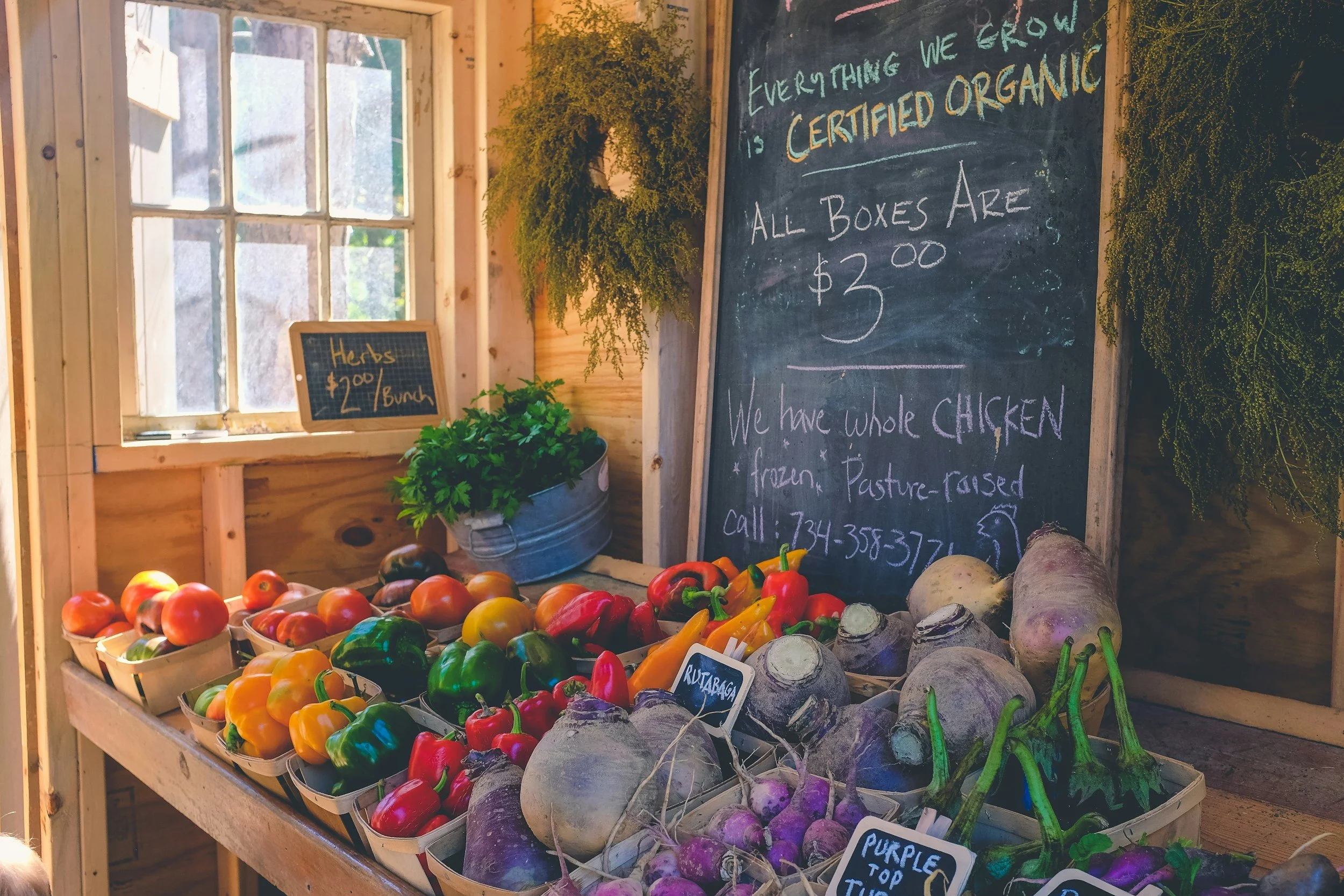
OPTIMAL PLANT-BASED DIET + Omnivore FOR ENDOMETRIOSIS
Let’s officially shift our perspective from a mindset of restriction to a new view that actually starts to heal our bodies: eating as many nutrient-dense foods as possible. This means balancing blood sugar, uncovering your personal food intolerances, and eating to support your gut microbiome.
Research suggests that simply adding more than two servings of antioxidant-rich plant foods per day—like colorful vegetables and berries—can help manage endometriosis by providing the essential nutrients needed to quell systemic inflammation. This is why a Mediterranean-style diet, which emphasizes whole foods, healthy fats, and high fiber, is so often recommended for reducing endometriosis symptoms. By flooding your body with antioxidants like Vitamins C, E, and Selenium, you help neutralize the free radicals that damage pelvic tissue and drive chronic pain.
While some outdated advice suggests reducing dietary fat, we now know that healthy, anti-inflammatory fats (like those found in wild-caught fish and grass-fed heritage meats) are vital for hormone production. Instead of cutting fat, we focus on increasing fiber to lower excess estrogen concentrations. Including cruciferous vegetables—like broccoli, cauliflower, and cabbage—is a "Heal Endo" staple because they assist the liver in detoxifying estrogen, effectively lowering the "estrogen activity" that fuels lesion growth.
Managing endo is a full-body mission. This may include using strategies like a low-FODMAP approach to identify your specific "Endo Belly" triggers, staying hydrated to alleviate bloating, and incorporating gentle movement to strengthen the pelvic floor and improve circulation.
If you want to see some food inspo, click here for 100 pictures of what I eat. If you want a food plan, check out my recipe book, The 4-Week Endometriosis Diet Plan. And if you want the research behind it all, check out Heal Endo: An Anti-Inflammatory Approach to Healing from Endometriosis.